

What type of lighting is used in Premium Display Cases?
Jul 31, 2026
Leave a message
In the world of premium display cases, lighting plays a pivotal role in enhancing the visual appeal of the showcased items. As a leading supplier of premium display cases, I've witnessed firsthand how the right lighting can transform a simple display into a captivating showcase. In this blog, we'll explore the different types of lighting used in premium display cases and how they can be effectively utilized to highlight your valuable collectibles.
Types of Lighting for Premium Display Cases
LED Lighting
LED (Light Emitting Diode) lighting has become the go - to choice for premium display cases in recent years. One of the main advantages of LED lighting is its energy efficiency. LEDs consume significantly less energy compared to traditional incandescent or fluorescent bulbs, which not only helps in reducing electricity costs but also has a lower environmental impact.
LEDs also have a long lifespan. They can last up to 50,000 hours or more, which means less frequent bulb replacements. This is especially important for display cases that are constantly illuminated.
In terms of color rendering, LEDs offer excellent performance. They can accurately reproduce the colors of the items in the display case, making them look more vibrant and true - to - life. For example, if you're displaying a Fusion Strike Trainer Box, the LED lighting will ensure that the colors on the box, from the bright reds to the deep blues, are presented in their full glory.
LEDs come in a variety of color temperatures. A lower color temperature (around 2700K - 3000K) gives a warm, yellowish light, which is great for creating a cozy and inviting atmosphere. This type of lighting can be ideal for displaying items like antique coins or vintage collectibles. On the other hand, a higher color temperature (around 5000K - 6500K) provides a cool, white light that is more suitable for modern and high - tech displays.
Fluorescent Lighting
Fluorescent lighting has been used in display cases for a long time. It offers a relatively even distribution of light across the display area. Fluorescent tubes can be installed along the sides or at the top of the display case to provide a soft, diffused light.
One of the benefits of fluorescent lighting is its ability to cover a large area with a consistent level of illumination. This makes it a good choice for larger display cases or those with multiple items. However, fluorescent lighting has some drawbacks. It can generate heat, which may not be ideal for heat - sensitive items. Also, the color rendering index (CRI) of some fluorescent lights may not be as high as that of LEDs, meaning that the colors of the displayed items may not appear as accurate.
Halogen Lighting
Halogen lighting provides a bright, intense light that can create a dramatic effect in a display case. It has a high color temperature, which results in a white, almost daylight - like illumination. Halogen lights are often used to highlight specific items or to create a spotlight effect.
For instance, if you're displaying a Pokemon Deoxys Box, a halogen spotlight can be directed at the box to draw attention to its unique features. However, halogen lights generate a significant amount of heat, which can be a concern, especially for delicate or heat - sensitive collectibles. They also have a relatively short lifespan compared to LEDs.
Considerations for Choosing the Right Lighting
Item Sensitivity
When choosing the lighting for your premium display case, it's crucial to consider the sensitivity of the items being displayed. Some items, such as paper collectibles, photographs, or certain types of fabrics, can be damaged by UV light. LEDs are a great option in this case, as they emit very little UV radiation. On the other hand, halogen lights can emit a significant amount of UV, so they may not be suitable for light - sensitive items.
Display Case Design
The design of the display case also plays a role in determining the type of lighting. For example, if the display case has a narrow or tall design, LED strip lights can be installed along the edges to provide a uniform light source. In a larger, open - style display case, a combination of LED spotlights and fluorescent tubes may be used to ensure even illumination.
Atmosphere and Theme
The atmosphere and theme you want to create also influence the lighting choice. If you're going for a modern, high - tech look, cool - white LED lighting may be the best option. For a more traditional or vintage - inspired display, warm - white LED or halogen lighting can create the right mood.
Lighting Placement and Installation
Top - Down Lighting
Top - down lighting is a common approach in display cases. LED panels or fluorescent tubes can be installed at the top of the case to provide a general illumination. This type of lighting is effective in highlighting the overall display and making the items visible from a distance.
Side Lighting
Side lighting can be used to create depth and dimension in the display. LED strip lights can be placed along the sides of the case to illuminate the items from the side. This can help to accentuate the textures and details of the collectibles.
Spot Lighting
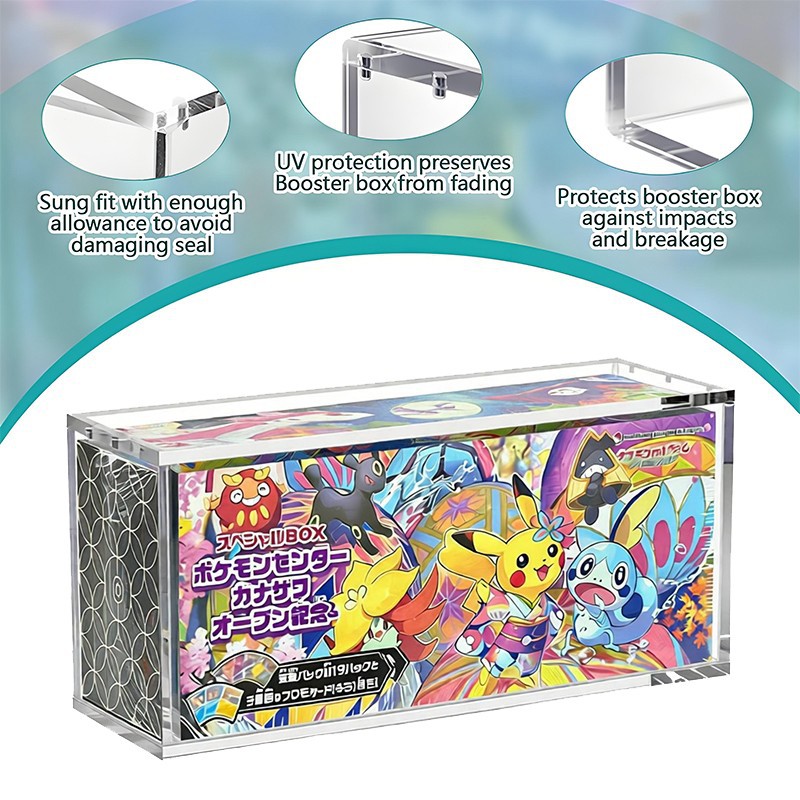
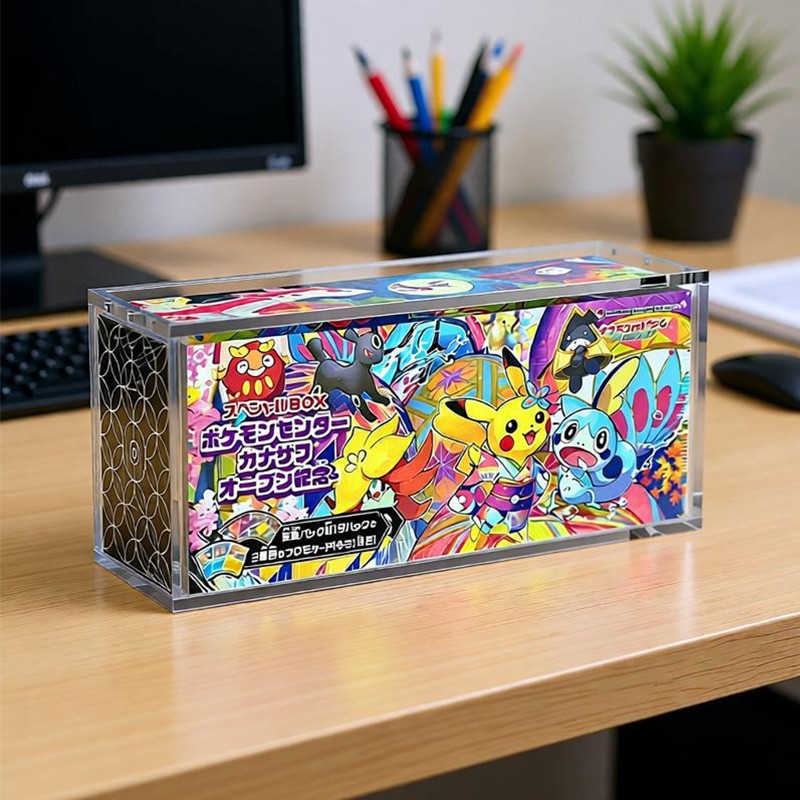
Spot lighting is used to focus on specific items in the display. Halogen or LED spotlights can be adjusted to direct the light exactly where it's needed. For example, if you have a Japanese Kanazawa PlusBox Protector in the display, a spotlight can be used to draw attention to its unique features.
Conclusion
The right lighting can make a significant difference in the presentation of items in a premium display case. Whether you choose LED, fluorescent, or halogen lighting, it's important to consider the sensitivity of the items, the design of the display case, and the atmosphere you want to create. As a supplier of premium display cases, we understand the importance of lighting in creating a stunning display.
If you're interested in purchasing premium display cases and need advice on the best lighting options for your specific needs, we're here to help. Contact us to start a discussion about your display requirements and how we can provide the perfect solution for you.
References
- Lighting Handbook: Reference and Application Guide, IES (Illuminating Engineering Society)
- LED Lighting Technology: Principles and Applications, John Wiley & Sons